
The 1st Academic Conference on Chinese-Language Christianity in Global Perspective Held in Hong Kong
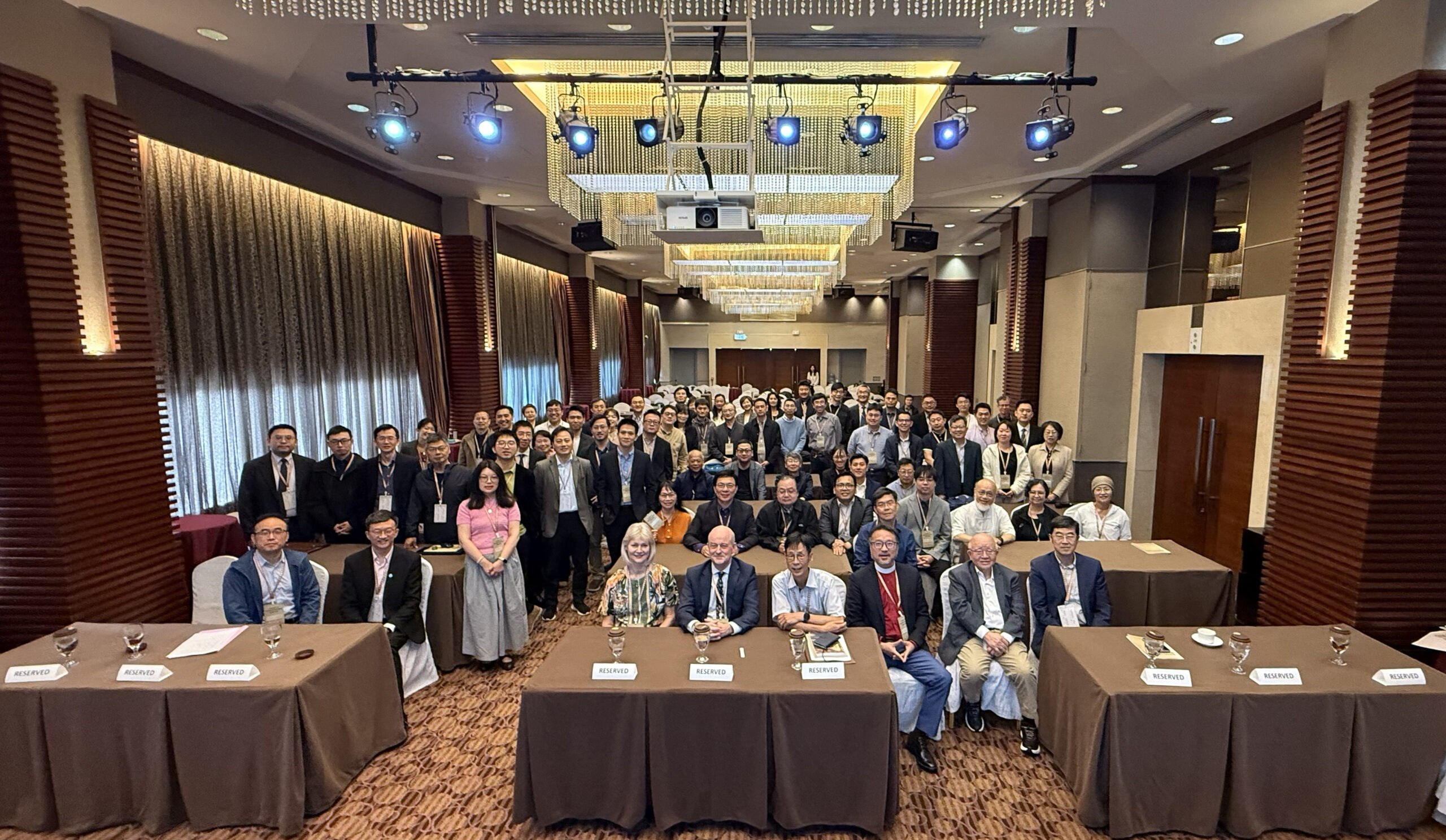
The academic conference “Chinese-Language Christianity in Global Perspective: Retrospect and Prospect,” hosted by the Institute for Advanced Studies of Chinese Christianity (IASCC), was held from April 8-11, 2026, at the Cityview Hotel in Yau Ma Tei, Hong Kong. This landmark event in Chinese-language Christian studies brought together a large number of scholars, church leaders, and theological educators from around the world to explore the development paths and future directions of Chinese-language theology from a global perspective.
IMS pastoral staff also participated in this grand event, engaging in in-depth communication and exchange with many attendees.
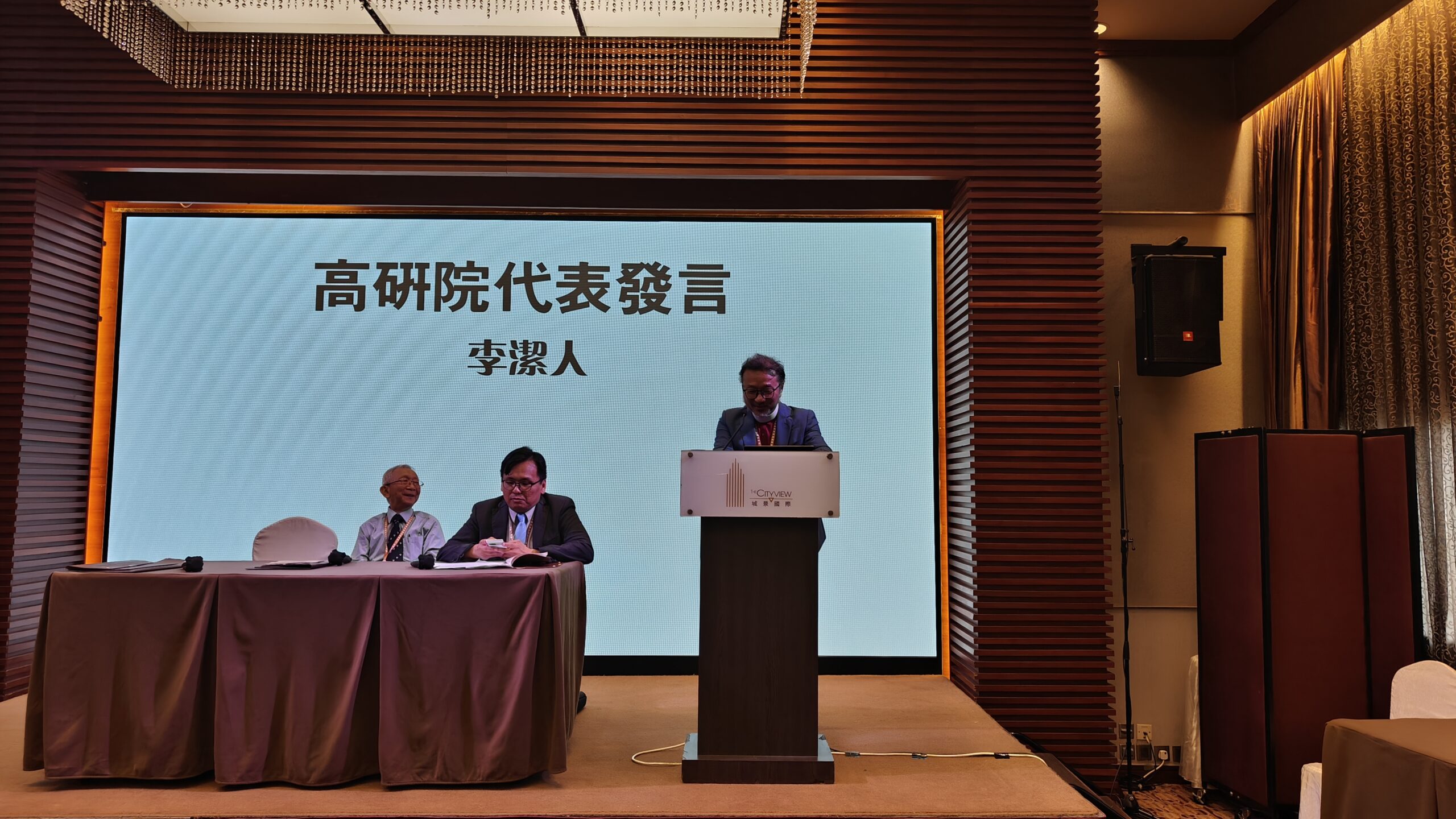
Gathering Together: A Dialogue Between Academia and Faith
The conference was co-hosted by the Institute for Advanced Studies of Chinese Christianity (IASCC), the Cambridge Centre for Chinese Theology (CCCT), and the Biola University Research Initiative for Chinese Theology. Professor David Fergusson of the University of Cambridge and Co-Director of the Cambridge Centre for Chinese Theology (established in 2025) served as the keynote speaker, delivering three brilliant keynote lectures on the uniqueness and multi-centered characteristics of Chinese-language theology in a global context, sparking lively discussion among attendees.
A delegation of 120 Chinese church leaders, theological seminary representatives, school and institutional delegates, and supporters gathered alongside scholars from various fields related to Chinese-language theology and church history. For many attendees, this conference was a long-awaited reunion. Over the decades, these long-time friends and colleagues have met at various academic events and have worked hand in hand to advance Chinese-language theology.
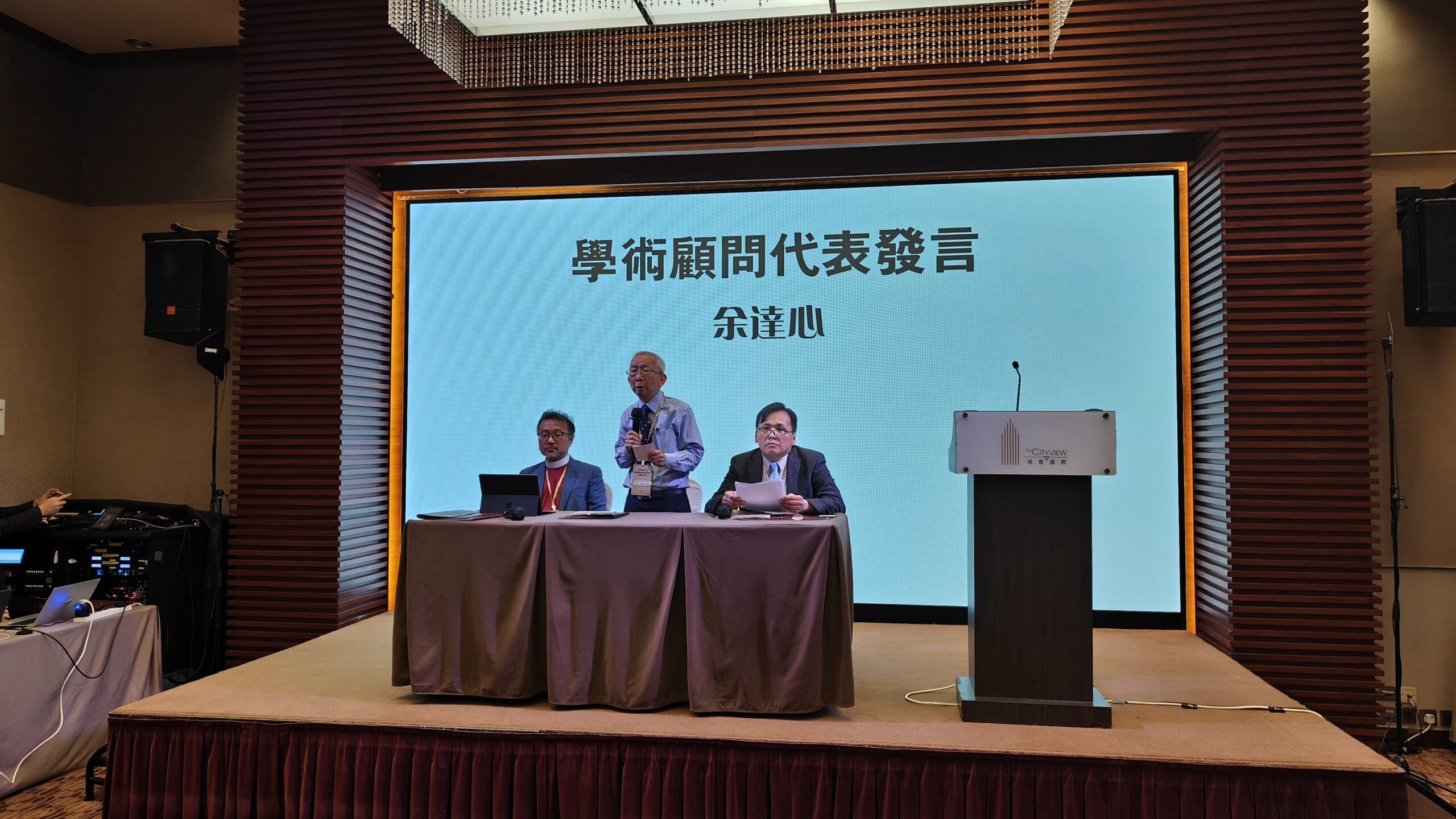
Academic Feast: 18 Panel Sessions Showcase Emerging Research
The conference featured 18 substantive academic panel sessions, where numerous young and emerging scholars presented their latest research findings. The discussions were wide-ranging and in-depth, covering topics such as the historical development of Chinese Christian institutions, Bible translation studies, intergenerational dynamics in local church culture, new interpretations of Max Weber, biblical studies, and the globalization of Chinese-language theology.
These discussions fully demonstrated the academic integrity, scholarly mission, and faith-driven dedication of the new generation of researchers. The speakers skillfully integrated their research expertise with the pressing concerns of contemporary Chinese Christian studies and Chinese-language theology, providing attendees with a spectacular academic feast.
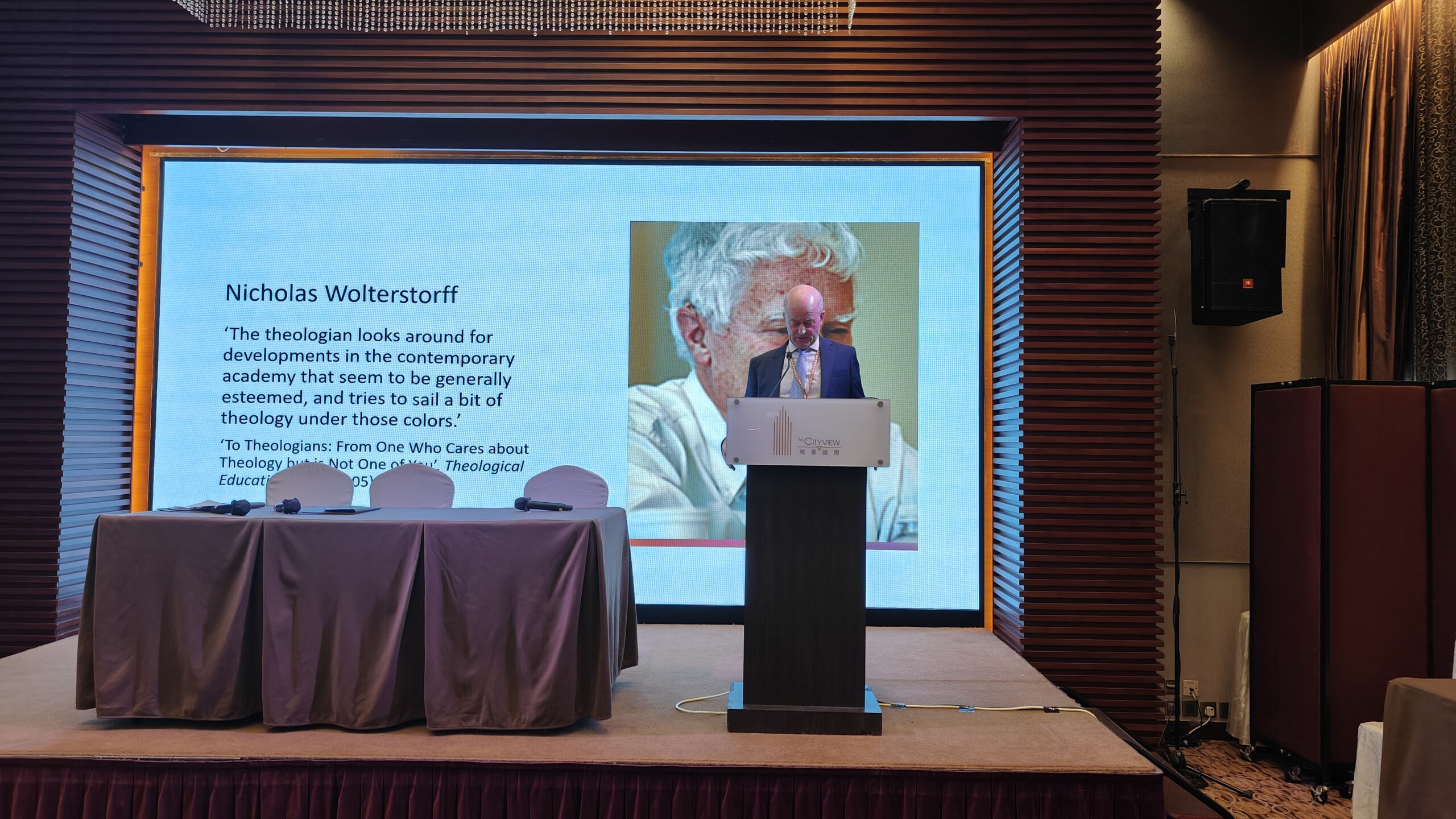
Integrated Model: Bridging the Gap Between Academia, Theology, and Church Practice
The conference was organized around the theme “Chinese-Language Christianity in Global Perspective: Retrospect and Prospect,” responding to recent developments in the literature and calls from the scholarly community. It aimed to recognize the distinctly multi-centered, transnational, culturally dynamic, and pluralistic characteristics of Chinese-language theology. Throughout the conference, the organizers repeatedly emphasized that building an integrated model combining academic research, theological education, and frontline church practice was a key vision of this grand event, seeking to bridge the longstanding gaps between these three domains in the Chinese-language context.
The use of “Chinese-language” (华语/華語) in the conference title, as an alternative expression for “Chinese,” emphasizes that Christian studies should not only value the written language but also attend to the vitality and evolution of language and its use across national boundaries. This naming itself echoes the core concern of the conference — re-examining the position and contribution of “Chinese-language theology” from a global perspective.
Conclusion
Although the four-day conference has concluded, the reflections and dialogues it inspired continue. This conference was not only a showcase of academic achievements but also an important milestone for the Chinese-language Christian research community to build consensus and envision the future. As attending scholars noted, Chinese-language theology, with its unique cross-cultural vitality, is playing an increasingly important role in the global theological landscape.